
Call Today for Your Free Consultation
224-900-HURT
224 West Main Street, #100, Barrington, IL 60010

Recent Blog Posts
Top 4 Causes of Pedestrian Accidents in Cook County
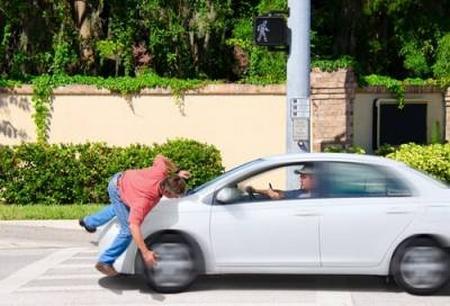 It should come as no surprise that a lot of pedestrian accidents happen in busy downtown areas. In places like downtown Chicago, there are about as many people walking around the streets as there are people driving. Parking downtown can be difficult to find - not to mention expensive. While we have fairly good public transit, it can take a long time to get where you are going and you may still have to walk. It is no wonder that a lot of people prefer to just walk when possible. During our harsh winters, there are not as many pedestrians out and about. Now that spring is coming and bringing more pleasant weather, we can expect to see more people walking around downtown. Sadly, we are also likely to see an increase in pedestrian accidents.
If you are involved in a pedestrian accident, it is important to get in contact with an attorney as soon as possible. Quick action can increase the odds of recovering compensation.
Proving Lost Wages in an Illinois Personal Injury Claim
 After a serious car crash or other major accident, you may be left unable to work. This inability to perform your job duties could be temporary or permanent. In other cases, you may still be able to work in some capacity but can no longer earn as much as you used to. If any of these situations apply to you, you may be able to recover your lost wages as part of your compensation in a personal injury claim. If another person or group negligently injured you and took you away from your job, that party may be liable for your missing income.
If an accident or injury rendered you unable to work, even in the short term, you will want to speak with a qualified attorney as soon as you can. A skilled lawyer can help fight for you to receive the full amount of compensation you deserve.
How Are Lost Wages Calculated?
In general, there are three types of lost wages that can be recovered in a personal injury suit. They are:
What to Know About Secondary Car Accidents in Barrington
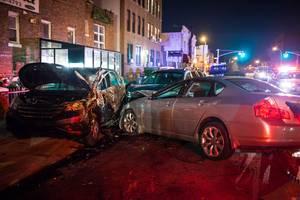 The moments right after a car accident can be confusing and frightening. Many people need several minutes to process what has just happened before they are able to begin reacting. When a secondary car crash happens just after the first, the situation can become even more complicated and difficult to manage. This type of situation may seem unlikely, or that it would require an extraordinary stroke of bad luck, but this is not the case at all. Secondary car accidents are probably more common than you might think, and are often a direct result of the first accident. If you have been hurt in a motor vehicle collision involving multiple vehicles, it is best to speak to an attorney as soon as you are able.
How Do Secondary Car Accidents Happen?
Secondary car accidents most commonly happen when another driver strikes an already crashed vehicle that remained in or near the roadway, although anyone outside a vehicle may also be at particular risk. Common reasons these secondary wrecks take place include:
What if I Was Injured as a Passenger in Cook County?
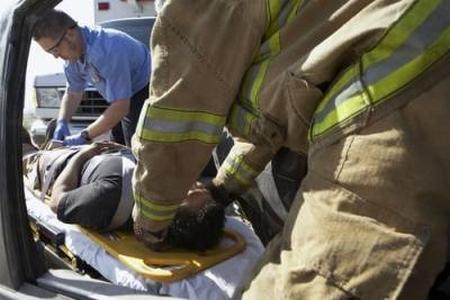 Getting into a car accident can be doubly frightening if you are a passenger. You have no control over either vehicle, and no opportunity to avoid or mitigate the crash. When you are hurt as a passenger, you may be unsure about what your legal options are. The good news is that you can recover compensation from the driver who caused your injuries. However, the process may look slightly different, and you will probably want an attorney to guide you through your claim.
Who Can I Recover Compensation From for My Passenger Injuries?
Who you can seek compensation from depends on who caused your injuries. If the driver of the car you were riding in caused the accident, then your claim is against him (or his insurance company). However, if a third party caused the wreck, then that driver is liable to you regardless of whether you were driving or riding in the not-at-fault vehicle. In this case, you and the driver of the car you were in may be able to work together on your claims in some ways. The body of evidence you will need is going to overlap significantly.
The Importance of Witnesses in Car Crash Cases
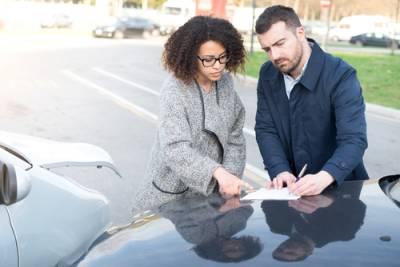 After a car crash, your instinct may be to focus on the people who were directly involved in the crash. This makes sense - certainly, the first thing you need to do is to check whether anyone is hurt and call an ambulance if it is needed. It is also important to speak with the other driver to exchange information. However, the people who could become most important in your car accident claim may not be in either crashed vehicle. Third-party witnesses can be extremely important, especially in the event that your case goes to trial. If you have been hurt in a car accident, you should contact an experienced attorney who can help you with collecting evidence.
Why Are Uninvolved Witnesses so Important in Car Accident Claims?
Physical evidence alone does not always show who was at fault in a car accident. If two vehicles collided in an intersection and both drivers claim it was their turn at the stop sign, the case may turn into a “he-said, she-said” dispute. However, if someone who was not involved in the crash saw what happened, courts and insurance companies may be inclined to take their word for it.
What Can I Do If I Was Injured While Riding a Bike?
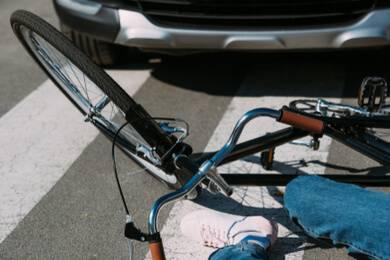 Riding a bicycle is an eco-friendly, enjoyable means of transportation and leisure for many Cook County residents. Unfortunately, riding a bicycle can also be quite dangerous. Bicycle accidents resulting in significant injuries and deaths are not uncommon – especially on the busy streets of Chicago.
If you or a loved one were harmed in a bicycle accident, you should know that you may have the right to compensation. You could be entitled to compensation for your medical bills, lost wages during your recovery period, and more.
Legal Options After a Bicycle Collision
Bicycle accidents often leave victims with painful injuries and steep costs. Many bicycle accident victims require emergency room treatment, stitches, and other medical care. Some require a greater degree of medical intervention, including surgery and ongoing physical therapy. Sadly, some bicycle accident victims never recover from their injuries.
Can I Recover Damages if I Was Partly At-Fault for an Injury?
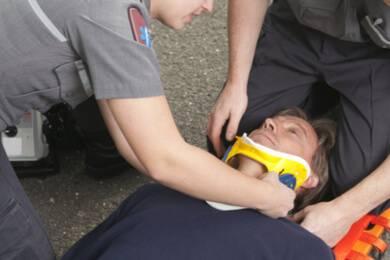 Illinois personal injury law, or tort law, deals with injuries against people and property. Personal injury lawsuits are often based on the legal theory of “negligence.” In the context of a lawsuit, negligence means the failure to uphold a legal duty. For example, the owner of a restaurant has a legal duty to ensure that the property is in reasonably safe condition and does not pose a risk of injury to restaurant guests. Similarly, the owner or possessor of a newly constructed building has a duty to ensure that the structure meets the relevant building codes. Negligence also applies to car accident and truck accident cases. A driver may act negligently by driving too fast for the weather conditions. A trucking company may act negligently by failing to maintain the trucks.
If you were hurt because of another party’s negligence, you may wonder, “What if the accident was partially my fault?”
Can You Sue for Injuries and Deaths at a Swimming Pool?

For many, one of the most enjoyable parts of summer is going for a dip in a swimming pool. Unfortunately, swimming pools can also be dangerous, and in some cases, even deadly. If you were injured or a loved one died while visiting a public swimming pool, waterpark, resort, hotel, or other establishment, you may have grounds for a legal claim against the liable party. You may be entitled to damages for medical bills, funeral costs, lost income or financial support, and more.
Injuries from Swimming Pool Accidents
When a party’s negligence leads to an injury, the injured person may be able to file a personal injury claim and recover financial compensation for damages like emergency room and hospital bills, medication, and lost wages from missed work. The injured person may also be entitled to compensation for non-financial losses such as his or her lost quality of life, physical pain, and disfigurement.
Who Is Held Accountable for Pedestrian Accidents?
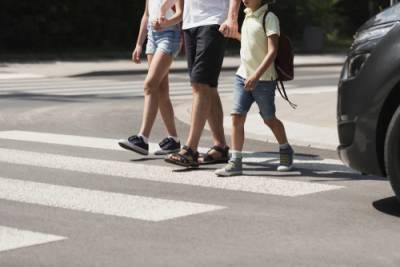 Unfortunately, pedestrian accidents are a daily occurrence in the United States. In fact, in 2019, 6,590 pedestrians were killed in accidents. If you were recently injured in a pedestrian accident, you should consult a personal injury lawyer promptly. Your lawyer can help you determine all the liable parties and pursue the compensation you deserve.
Responsible Parties for Pedestrian Accidents
If you were hit by a vehicle and suffered injuries, it is important to consider all the liable parties. Here are several parties that may be to blame for your injuries.
-
The driver - In most cases, a negligent driver is responsible for a pedestrian accident. If a driver, for example, diverts his or her focus to a text message or other distraction, the driver may not notice a pedestrian crossing the street and hit that person. Other examples of negligent driving include speeding, failure to come to a full stop at a stop signal, drifting into the pedestrian lane, and fatigued driving.
When Can You Sue Your Employer for an Injury You Sustained at Work?
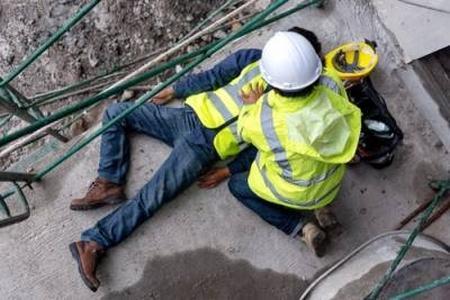 Being injured is not something that anyone expects to happen, but when it does, it can significantly affect your life. According to the Bureau of Labor Statistics, there were nearly 3.5 million workplace injuries that occurred in both private and governmental organizations in 2019. Most of the time when you are injured at work, you will be covered under workers’ compensation, which will typically pay for your medical bills and lost wages. In most cases, you will not be able to file a lawsuit against your employer for being injured at work. However, workers’ compensation benefits do not cover your full work wages, and this can leave you with expenses that you cannot afford to pay. In some rare cases, you might be able to sue your employer to help compensate for your injury.
Potential Reasons You Can Sue Your Employer
In most cases, you will not be able to sue your employer for a work injury because of protections given to them by the Workers’ Compensation Act. When an employee is hurt at work, workers’ compensation insurance is supposed to step in to protect the employer from a lawsuit. However, if an employer does not have the workers’ compensation insurance required by Illinois law, you can file a lawsuit against them to recover damages. You may also be able to sue your employer if they intentionally caused your injury.




Barrington Injury Attorneys (B.I.A. Law)
224 West Main Street, #100, Barrington, IL 60010


